
If you live in St Marys, you probably know the feeling. You open the crawl space hatch on a warm afternoon and a wave of damp, musty air rolls out. The floors over the back bedroom feel a little soft. There is a smell in the hallway that never quite goes away, no matter how many candles you burn. These are not random problems. They are what happens when a crawl space sits open to the coastal climate here on the Golden Isles.
The good news is that this is fixable, and the fix holds up well against our conditions. Let's walk through what is really going on under your house and what encapsulation does about it.
Why St Marys Crawl Spaces Stay Wet
Our corner of the Georgia coast is a hard place for an open crawl space. The water table sits high, so the ground under your home stays damp for much of the year. Sandy soil drains fast on top but holds moisture below, and after a heavy summer storm you can find standing water pooling under older homes near the marsh.
Then there is the air itself. Salt air off the water carries humidity that drifts right through open foundation vents. On a July day the outside air might be 90 degrees and heavy with moisture. When that air meets the cooler surfaces under your house, it condenses. Water beads up on ductwork, on framing, and on the underside of your subfloor. Day after day, that moisture feeds mold, rots wood, and rusts metal.
Many homes around St Marys and nearby Kingsland still sit on original wood piers. Those older structures were never sealed against this kind of humidity, so the dampness has years to work on the joists and girders.
What Crawl Space Encapsulation Actually Involves
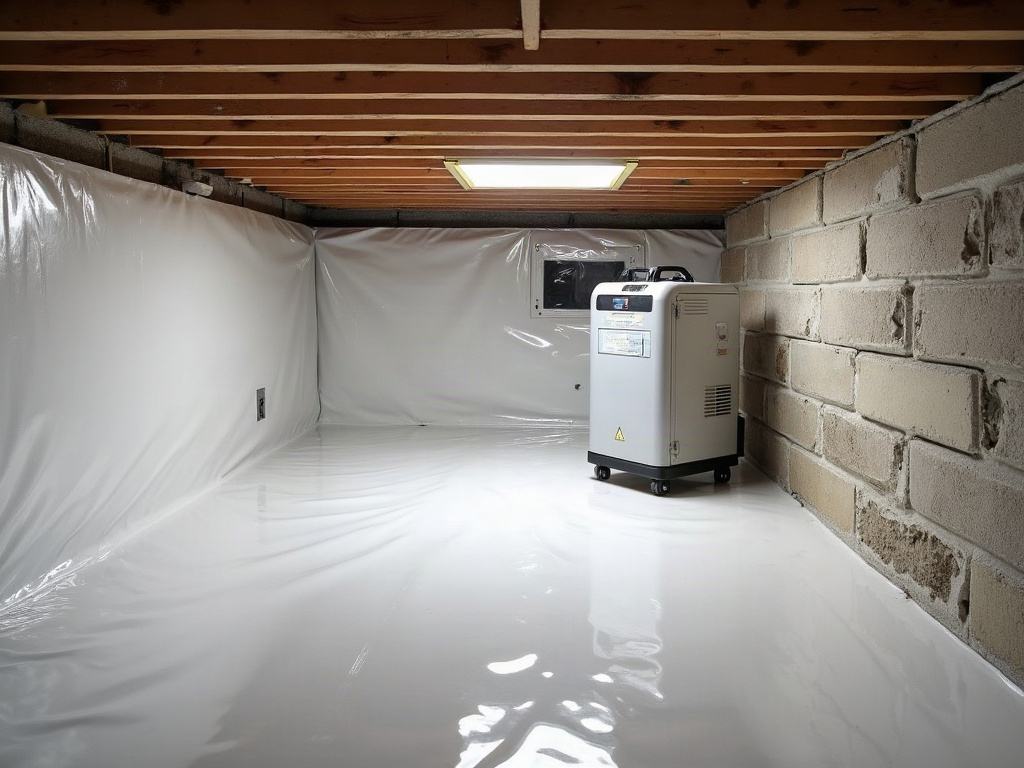
Encapsulation means sealing the crawl space off from the ground and the outside air, then controlling the environment inside it. It is more than laying down a sheet of plastic. A proper job has several parts that work together.
First we address any standing water and drainage. If water collects under the home, that gets handled with proper grading, a drain, or a sump before anything else goes in. Sealing a wet space just traps the problem.
Next comes a heavy vapor barrier. We line the floor and run the material up the foundation walls and piers, sealing the seams so ground moisture cannot pass through. Then the vents get closed off, because in our climate open vents let humid coastal air pour in rather than dry it out. Finally, a dehumidifier keeps the sealed space at a steady, low humidity level so the wood stays dry all year.
When you are ready to look at the full scope of the work, our page on crawl space encapsulation in St Marys breaks down each step in more detail.
The Difference You Notice in the House
Homeowners tell us the change shows up in ways they did not expect. The musty smell fades because there is no longer damp soil and wet wood feeding it. Floors feel firmer once the framing dries out and stops flexing. Some people find their downstairs rooms are easier to keep cool, since the air conditioner is no longer fighting humidity rising from below.
There is a health side too. A damp crawl space grows mold and gives pests a welcoming home. Because so much of the air you breathe upstairs actually starts down in the crawl space, sealing it out makes a real difference in what circulates through the house. Sealing that space also protects your ductwork and insulation from the rot and sag that constant moisture causes.
Why This Matters More on the Coast
In a dry inland climate you might get away with an open crawl space for decades. Here in St Marys the margin is much thinner. The combination of high water table, salt air, and long humid summers means an unsealed crawl space is almost always working against you.
We have crawled under homes near the St Marys River where the joists had gone soft and dark, and the owners had no idea until the floor started to give. Catching this early saves money. Once rot sets into the structural wood, the repair grows from a moisture fix into a framing job. A well built Crawl Space Encapsulation system stops that slide before it starts.
Getting Started the Right Way
Every home is a little different, so the first step is a real look under the house. We check the moisture levels, the condition of the wood, any drainage issues, and the state of the existing insulation and vapor barrier. From there we can tell you what your crawl space actually needs rather than selling a one size fits all package.
If your floors feel soft, your air smells musty, or you have simply never looked under an older St Marys home you just bought, it is worth a conversation. Call Premier Foundation Solutions at (912) 638-1498 and we can set up a time to take a look.
FAQ
Frequently asked questions
- How long does crawl space encapsulation take in a St Marys home?
- Most homes take one to three days depending on size, how much water or debris we clear first, and whether any drainage work is needed. We give you a clear timeline after the inspection so there are no surprises.
- Will encapsulation get rid of the musty smell in my house?
- In most cases, yes. That smell usually comes from damp soil, mold, and rotting wood under the floor. Once the space is sealed and kept dry with a dehumidifier, the source is removed and the odor fades over the following weeks.
- Is encapsulation worth it for an older home on wood piers?
- It often matters most for those homes. Original wood piers and framing take the hardest hit from coastal humidity. Sealing the space protects the structure you already have and helps prevent the soft floors and rot we see in older St Marys houses.